
07 January 2025
In today’s fast-paced digital landscape, brands have more opportunities than ever to engage with their audience—whether it’s through social media, email, SMS, or beyond. This shift doesn’t just amplify marketing reach; it also creates deeper, more meaningful connections with customers.
That’s where multi-channel messaging campaigns shine. By harnessing the unique strengths of each platform, businesses can increase engagement, boost brand awareness, and deliver memorable customer experiences—all while staying a step ahead in the competitive market.
In this article, we’ll explore the industries thriving with multi-channel messaging strategies and highlight how they effectively leverage tools like SMS, email, and WhatsApp marketing solutions to achieve their marketing goals.
1. Retail and Ecommerce
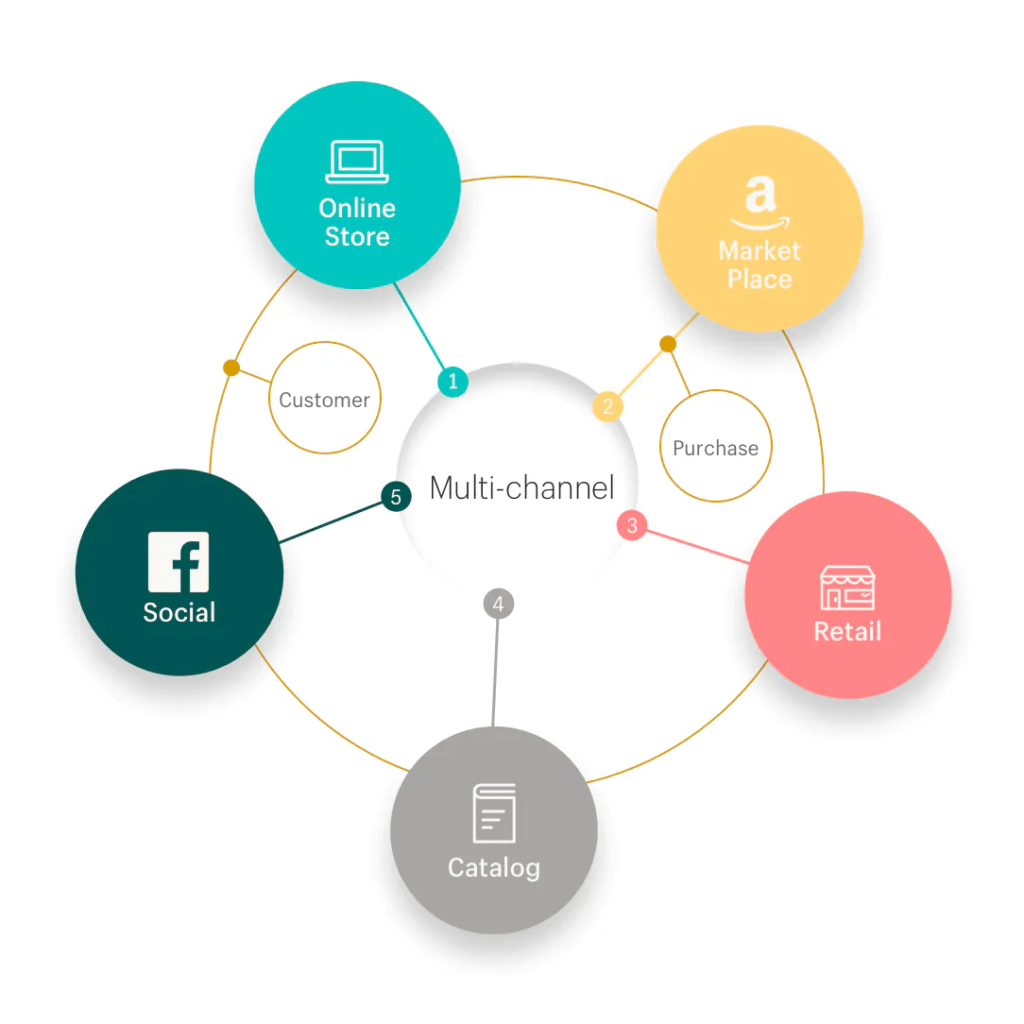
Retail and e-commerce brands are leading the way in leveraging popular messaging platforms to connect with customers, foster loyalty, and drive sales. These channels offer direct and highly personal touchpoints, enabling businesses to engage their audiences effectively at every stage of the buyer journey.
- Tailored Promotions
- Transactional Messaging for Convenience
Messaging platforms are crucial for enhancing customer convenience. Brands such as ASOS and H&M send order confirmations, shipping updates, and delivery notifications through SMS and WhatsApp, keeping customers informed in real-time. These transactional messages also provide links to track orders or resolve issues directly. - WhatsApp for Customer Engagement
Many brands now use WhatsApp to build stronger customer relationships given its immense worldwide popularity. For instance, Adidas launched a campaign allowing customers to sign up for product updates via WhatsApp, ensuring they never miss out on limited-edition releases. Similarly, retailers like Levi’s use WhatsApp to offer customer support and even assist with personalised styling advice. - Loyalty Programs and Re-engagement
Many retailers now combine email and SMS to keep their loyalty members engaged, sending updates about reward balances, special offers, and birthday rewards. Additionally, cart abandonment emails are commonly used across e-commerce platforms to re-engage customers with custom messages and discounts, driving them back to completing their purchases.
Retailers like Amazon and Zara use email and SMS to send tailored recommendations and promotions based on browsing history, past purchases, and wishlist items. By offering exclusive deals and early access to sales, these brands ensure relevance and encourage repeat purchases.
2. Food and Beverage
In the food and beverage industry, customer retention is paramount. Whether it’s a quick-service restaurant (QSR), a subscription-based snack company, or a premium beverage brand, businesses in this sector rely on repeat customers to drive revenue. Multi-channel messaging campaigns through diverse communication platforms have become critical tools for fostering loyalty and ensuring a steady flow of engagement.
Leveraging SMS for Retention and Engagement
Many food and beverage companies are increasingly turning to the best SMS API services on the market for tailored and real-time communication. For instance:
WhatsApp and Chat for Personalisation
With a growing emphasis on conversational marketing, WhatsApp and similar platforms enable brands to interact with customers in a highly personal manner. Features such as answering product-related questions or providing order updates in real time create a sense of immediacy and care, which is crucial for building long-term loyalty.
Key Benefits for Food and Beverage Brands
3. Tech
In the tech industry, established messaging platforms are indispensable tools for delivering a unified brand experience via timely, individualised, and consistent communications to achieve the highest possible level of customer engagement and satisfaction.
Consistent Messaging Across Channels
Tech companies prioritise seamless and cohesive messaging across platforms to reinforce their brand identity. For instance, an email promoting a new software update might be complemented by an SMS reminder and a WhatsApp message providing a direct download link. This strategy ensures that the message reaches customers on their preferred channel, maximising its impact.
Personalised Promotions and Recommendations
Using data analytics, tech brands tailor messages to user preferences. For example, they may send an SMS about a limited-time discount on a subscription service, followed by a detailed email highlighting additional features, or a WhatsApp notification with a personalised product suggestion. This approach not only drives conversions but also builds customer loyalty by addressing individual needs.
Enhancing Customer Experience
Tech companies also use these platforms to streamline customer support and enhance experiences. For example:
Success Stories
Several tech companies have showcased innovative uses of these platforms:
By strategically integrating these channels, tech companies enhance customer interactions, foster trust, and drive long-term growth.
4. Travel and Hospitality
The travel and hospitality industry thrives on creating seamless and engaging communication experiences for its guests, and multi-channel messaging strategies are an essential part in its overarching goal of enhancing guest satisfaction, building loyalty, and driving bookings.
Personalising Guest Engagement
It is no secret that guests nowadays expect communication tailored to their preferences. For instance, many travellers appreciate real-time updates via WhatsApp, such as reminders about check-in times or updates on flight changes. Hotels often leverage SMS marketing for last-minute offers, while email remains a robust platform for detailed booking confirmations and post-stay surveys.
Meeting Global Communication Preferences
Travelers from different regions have diverse habits. For example, Western guests might lean towards SMS and email, while Asian travellers often prefer platforms like WeChat or WhatsApp. By adopting a variety of messaging tools, brands ensure inclusivity and maximise their reach.
Real-Time Notifications
Multi-channel strategies shine in time-sensitive communication. Airlines and hotels use SMS and WhatsApp to send critical updates, such as flight delays, gate changes, or hotel check-in reminders. This immediacy helps reduce stress and improve the overall guest experience.
Enhancing the Booking Journey
Messaging platforms can simplify the booking and post-booking journey:
Building Loyalty with Promotions
Hospitality brands often use messaging campaigns to send personalised offers, such as discounts for repeat bookings or early-bird deals. For instance, hotels use WhatsApp bulk messaging to target segmented audiences with time-sensitive offers, while email campaigns may highlight loyalty program updates or exclusive benefits.
5. Banking and Finance
The banking and finance sector exemplifies the power of multi-channel messaging, employing multiple platforms to ensure seamless communication with customers. These tools enable institutions to enhance customer experience, improve engagement, and streamline financial operations.
Key Applications of Multi-Channel Messaging
- Real-Time Alerts and Notifications
Banks leverage SMS and WhatsApp to send real-time updates about account activities, such as balance changes, transaction confirmations, and deposit alerts. These notifications empower customers to manage their finances efficiently while enhancing security through instant fraud alerts or suspicious activity notifications. - Payment Reminders and Due Notices
Personalised reminders sent via SMS or email reduce the risk of missed payments while improving cash flow for financial institutions. For example, a message might include a direct payment link, making it easy for clients to act promptly. - Authentication and Security
Two-factor authentication (2FA) is commonly facilitated through SMS and email. One-time passwords (OTPs) are sent to secure online transactions, providing a quick and reliable way to authenticate user actions without requiring app installations. - Customer Service and Support
WhatsApp has become an indispensable tool for providing 24/7 customer support. Chatbots and automated responses help resolve queries such as balance inquiries or account blocks while escalating complex issues to human agents when necessary.
Conclusion
As the digital landscape continues to evolve, adopting a well-rounded, multi-channel messaging strategy is no longer optional—it’s essential for staying competitive and relevant. Whether you’re a startup or an established brand, the opportunity to connect with your audience across multiple touchpoints is one you can’t afford to miss.
 Moobidesk